
The European Parliament has voted to scrap the roaming fees charged for using a mobile phone while abroad.
Under the wide-ranging telecoms reforms, the cost of making a call or downloading internet data in another EU country will be the same as at home.
The change is due to take effect from 15 December next year. It still requires approval from EU governments.
Some consumers have faced bills for thousands of pounds after falling foul of current high roaming charges.
In recent years the EU has legislated to lower the costs, so telecoms operators have been forced to cap their fees.
A European Commission survey in February suggested that 94% of Europeans limit their use of the web when travelling in Europe because of the cost of mobile roaming.
The package was adopted by 534 votes to 25.
Last year the cap for internet browsing was lowered to 45 cents (39 pence) per MB, from 70 euro cents (60 pence) per MB in 2012.
The EU Commissioner for the Digital Agenda, Neelie Kroes, has said "consumers are fed up with being ripped off".
The new rules come at a time when users are consuming ever more data on mobiles and tablet devices. As 4G networks offer even faster download speeds, data consumption is expected to rise exponentially.
BBC News - MEPs vote to scrap mobile roaming fees in Europe
So the nasty EU has once more interfered with the rights of mobile phone companies to charge you wtf they like while using your mobile phone abroad. If the UK were not in the EU how would the UK government have legislated to force foreign mobile companies to charge less?
You will note though, like most of the EU legislation
- countries do get to choose which EU legislation they adopt, and yet our government says the laws are imposed. Who's fooling who? (You can bet Voda, Orange, 3 and T-Mobile are busy buying UK MP's lunches this week....)
and now this one:
The European Parliament has voted to restrict internet service providers' (ISPs) ability to charge data-hungry services for faster network access.
Operators have said the move would hinder their efforts to manage traffic.
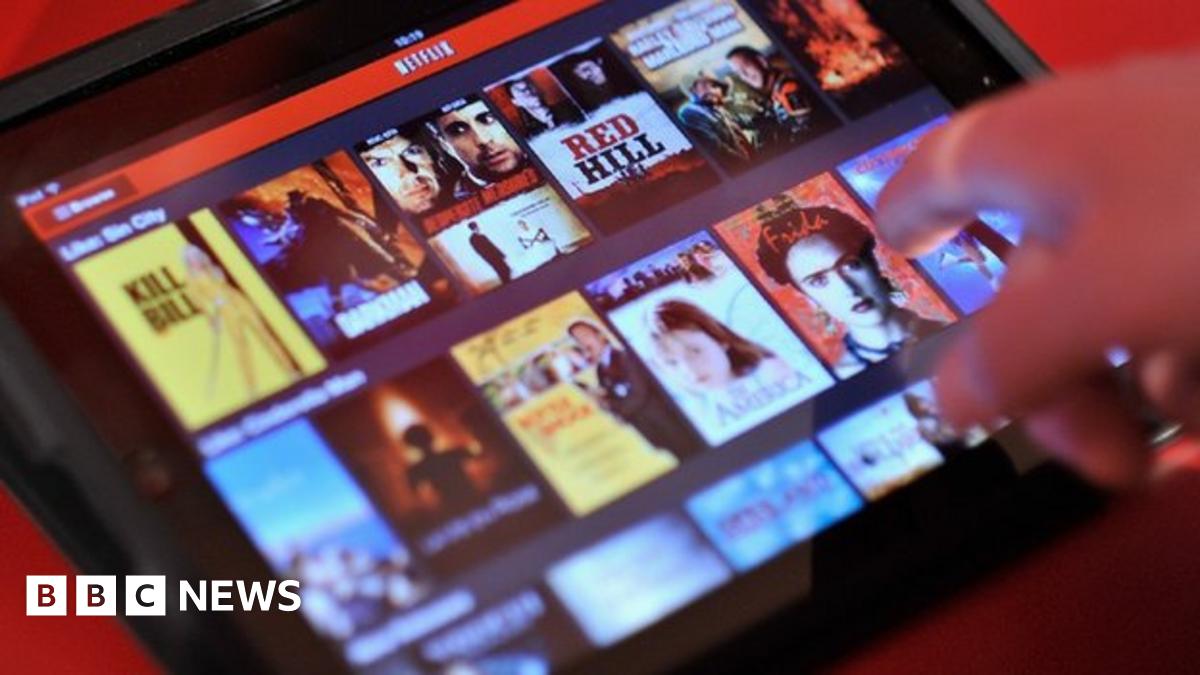
The "net neutrality" proposal would put the EU at odds with the US, where video streaming service Netflix is paying the country's biggest cable firm for preferential treatment on its network.
The law still needs to be approved by Europe's Council of Ministers.
It would also prohibit mobile networks and broadband providers from blocking services - such as WhatApp messages or Google Drive storage - that compete with their own offerings.
However, the mobile and cable firms have warned that the law would also prevent them from being able to offer enhanced services - for example charging a movie site a fee to ensure that their 4K ultra-high definition films played smoothly on consumers' devices when they might otherwise stutter.
All good stuff, I wonder if the UK government will choose to opt out? *shrug*
Under the wide-ranging telecoms reforms, the cost of making a call or downloading internet data in another EU country will be the same as at home.
The change is due to take effect from 15 December next year. It still requires approval from EU governments.
Some consumers have faced bills for thousands of pounds after falling foul of current high roaming charges.
In recent years the EU has legislated to lower the costs, so telecoms operators have been forced to cap their fees.
A European Commission survey in February suggested that 94% of Europeans limit their use of the web when travelling in Europe because of the cost of mobile roaming.
The package was adopted by 534 votes to 25.
Last year the cap for internet browsing was lowered to 45 cents (39 pence) per MB, from 70 euro cents (60 pence) per MB in 2012.
The EU Commissioner for the Digital Agenda, Neelie Kroes, has said "consumers are fed up with being ripped off".
The new rules come at a time when users are consuming ever more data on mobiles and tablet devices. As 4G networks offer even faster download speeds, data consumption is expected to rise exponentially.
BBC News - MEPs vote to scrap mobile roaming fees in Europe
So the nasty EU has once more interfered with the rights of mobile phone companies to charge you wtf they like while using your mobile phone abroad. If the UK were not in the EU how would the UK government have legislated to force foreign mobile companies to charge less?
You will note though, like most of the EU legislation
It still requires approval from EU governments.
and now this one:
The European Parliament has voted to restrict internet service providers' (ISPs) ability to charge data-hungry services for faster network access.
Operators have said the move would hinder their efforts to manage traffic.
The "net neutrality" proposal would put the EU at odds with the US, where video streaming service Netflix is paying the country's biggest cable firm for preferential treatment on its network.
The law still needs to be approved by Europe's Council of Ministers.
It would also prohibit mobile networks and broadband providers from blocking services - such as WhatApp messages or Google Drive storage - that compete with their own offerings.
However, the mobile and cable firms have warned that the law would also prevent them from being able to offer enhanced services - for example charging a movie site a fee to ensure that their 4K ultra-high definition films played smoothly on consumers' devices when they might otherwise stutter.
"The current draft legislative compromise in the European Parliament reflects very restrictive views on how the internet should work and on how specialised services with enhanced quality could be offered."
All good stuff, I wonder if the UK government will choose to opt out? *shrug*




 )
) 

Comment