
Now that is timing...
Rising prices for clothes, hotel rooms and petrol have led to the highest rate of inflation in nearly two years, official figures show.
Inflation rose to 1.0% in September, up from 0.6% in August, the Office for National Statistics (ONS) said.
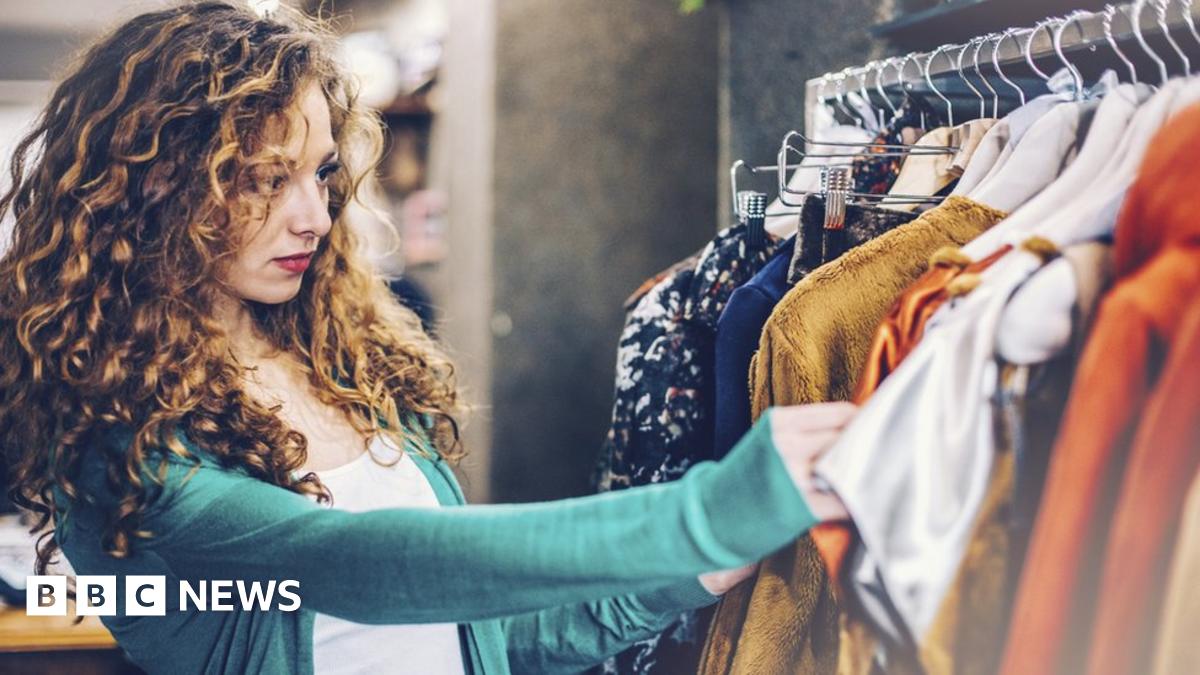
Clothing saw its biggest price rise since 2010 and fuel, which was falling a year ago, was also more expensive.
However, the ONS said there was "no explicit evidence" the weaker pound was the reason for higher prices.
Benefits hit
September's inflation figure has traditionally been crucial because it decided what rate benefits would increase by in the following year.
However, with the government having frozen many benefits and tax credits until 2020, many families will no longer see them keep up with rising prices.
More than 11 million households will, on average, be ?360 a year worse off if inflation rises to 2.8% in the next few years, according to the Institute for Fiscal Studies (IFS).
For families on lower incomes who receive more in benefits, the hit will be bigger - on average a reduction of ?470 a year, the IFS said.
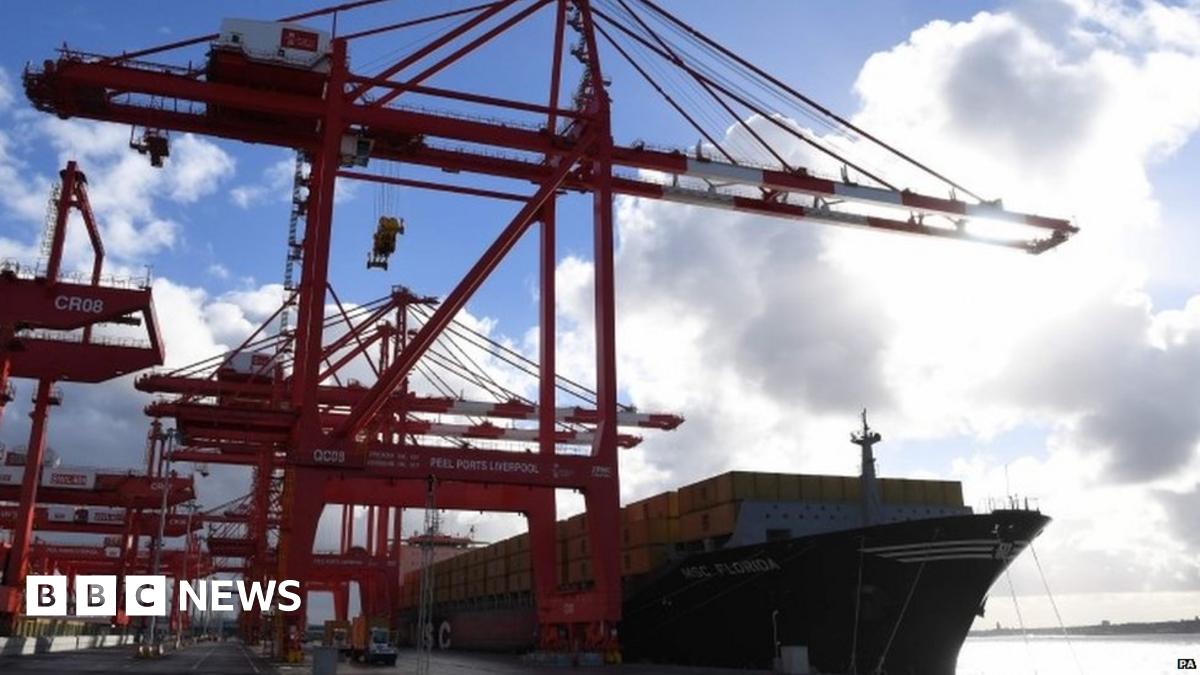
Kathleen Brooks, research director at City Index, said that with the fall in the pound: "Oil imports are getting more expensive, clothing imports are also costing more, and the weak pound is boosting the tourism industry, which appears to already be fuelling a rise in hotel prices."
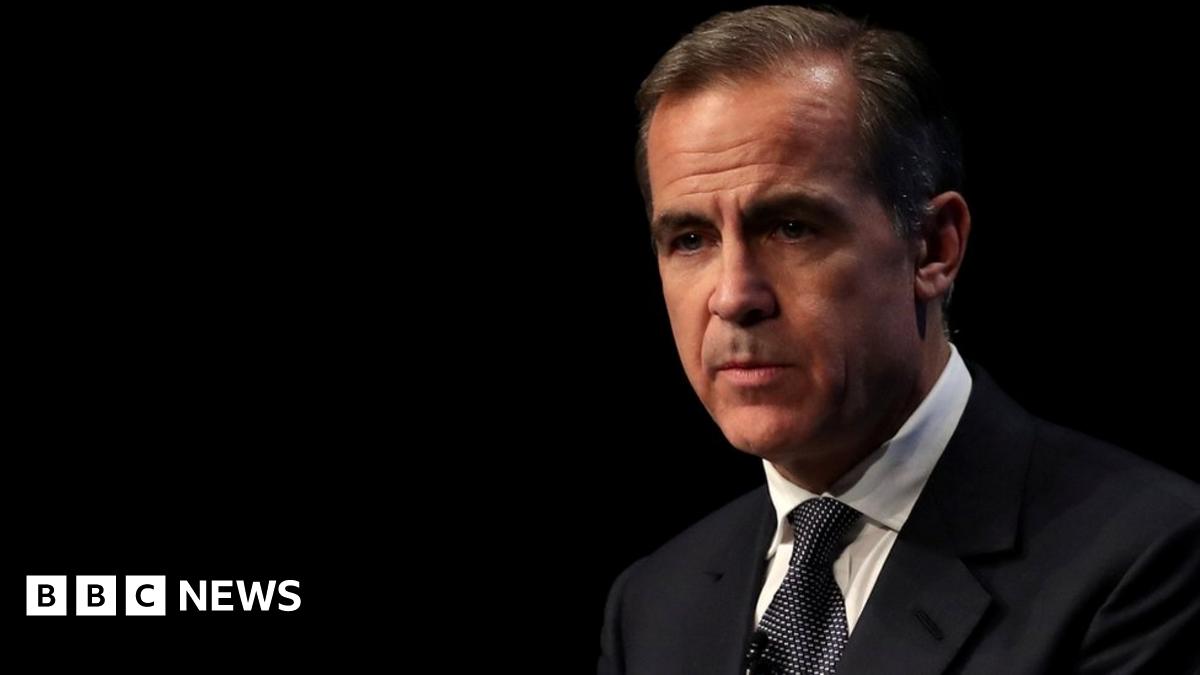
Others said these pressures left the UK on course to exceed the Bank of England's target of a 2% inflation rate.
Chris Williamson from forecasters IHS Markit said the Bank's target could be "breached within months, though much depends on the exchange rate and the extent to which costs continue to rise".
and as has been said before, typically the way to control inflation is to raise interest rates so people have less money, coupled with the rises in prices for fuel, energy, food and clothes it may become impossible for some.
We live in interesting times......
Rising prices for clothes, hotel rooms and petrol have led to the highest rate of inflation in nearly two years, official figures show.
Inflation rose to 1.0% in September, up from 0.6% in August, the Office for National Statistics (ONS) said.
Clothing saw its biggest price rise since 2010 and fuel, which was falling a year ago, was also more expensive.
However, the ONS said there was "no explicit evidence" the weaker pound was the reason for higher prices.
Benefits hit
September's inflation figure has traditionally been crucial because it decided what rate benefits would increase by in the following year.
However, with the government having frozen many benefits and tax credits until 2020, many families will no longer see them keep up with rising prices.
More than 11 million households will, on average, be ?360 a year worse off if inflation rises to 2.8% in the next few years, according to the Institute for Fiscal Studies (IFS).
For families on lower incomes who receive more in benefits, the hit will be bigger - on average a reduction of ?470 a year, the IFS said.
Kathleen Brooks, research director at City Index, said that with the fall in the pound: "Oil imports are getting more expensive, clothing imports are also costing more, and the weak pound is boosting the tourism industry, which appears to already be fuelling a rise in hotel prices."
Others said these pressures left the UK on course to exceed the Bank of England's target of a 2% inflation rate.
Chris Williamson from forecasters IHS Markit said the Bank's target could be "breached within months, though much depends on the exchange rate and the extent to which costs continue to rise".
and as has been said before, typically the way to control inflation is to raise interest rates so people have less money, coupled with the rises in prices for fuel, energy, food and clothes it may become impossible for some.
We live in interesting times......






 )
) 


Comment